
Baseball Pro League
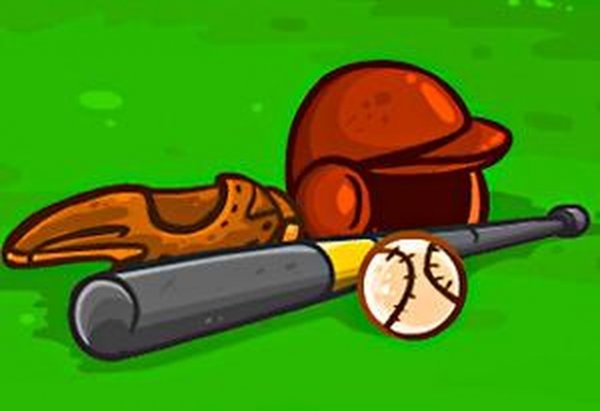
Baseball Pro League is a browser-based baseball game built around two core actions: batting and pitching. You take the role of batter or pitcher, using timing and precision to outplay the opponent. No download is needed, so sessions can be short or extended.
Reviews
About this game
Batting and Pitching as the Core Loop
Baseball Pro League strips the sport down to its two most direct interactions: hitting and throwing. You either step into the batter's role or take the mound as a pitcher, and each round asks you to complete objectives tied to those actions. Success depends on reading the moment and reacting with precise timing rather than managing a full roster or season schedule. The game runs entirely in a web browser, so there is no installation step between you and a session.
Controls and Match Flow
Input is handled through the keyboard or mouse, depending on the action required. The game presents controls at the start, and reviewing them before the first pitch matters because each command maps to a specific in-game action. Rounds follow a clear structure: you are given a task, you attempt it through batting or pitching, and the result feeds into your progress. Pausing is available when needed, though staying focused during a match improves your chances of completing objectives cleanly.
Progression and Replay Structure
Objectives become more demanding as you advance, which gives the game a natural difficulty curve without changing its basic rules. Different phases and scenarios appear across playthroughs, and opponents vary enough to keep repeated sessions from feeling identical. A reward system recognizes completed objectives and personal bests. The game is optimized for both desktop and mobile browsers, so the same account of progress carries across devices where supported. Customization options may let you adjust certain aspects to suit your preferences, though the core batting and pitching loop remains the constant.
Approaching Difficult Rounds
Early stages function as a low-pressure space to learn timing and positioning. When difficulty rises, the most common mistake is rushing a decision before the play develops. Observing the situation first, then committing to an action, tends to produce better results than reacting immediately. Failed attempts are useful because they show which part of your timing or positioning broke down. Focusing on the primary objective before chasing optional rewards keeps progress steady, especially in later scenarios where the margin for error narrows.








Comments
0 comments