
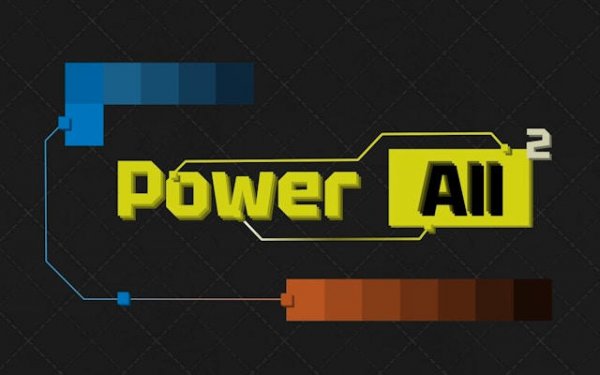
Grid Claim: Logic Expansion
Place blocks on a grid to claim territory. Each move requires careful thought about adjacent spaces. This logic puzzle offers a calm yet engaging mental workout for players of all skill levels.
Reviews
About this game
Core Placement Logic
At its heart, this puzzle challenges players to occupy sections of a grid by positioning blocks. Each block must be placed so that it draws power from at least two neighboring empty cells. This simple rule creates a web of dependencies, where every decision influences what can happen next. The game rewards those who think several moves ahead, balancing immediate gains against long-term control. It is a pure test of spatial reasoning, free from timers or random elements.
Level Design Philosophy
Rather than relying on repetitive patterns, the game introduces new grid shapes and pre-placed obstacles as players advance. Early stages serve as a gentle introduction to the mechanics, while later puzzles require adaptive thinking. Some maps feature irregular borders or internal barriers that block placement, forcing players to reconsider their approach. This variety keeps the experience fresh without overwhelming the player. Each level feels like a distinct riddle rather than a minor variation of the last.
Visual Clarity and Feedback
The interface uses clean lines and a muted color palette, ensuring that the grid remains the focal point. When a block is successfully placed and a cell becomes active, a subtle animation confirms the action. This feedback is immediate and satisfying, helping players understand the consequences of their choices. The lack of visual clutter means that even complex grids remain readable at a glance. It is a design choice that respects the player's focus and reduces eye strain during longer sessions.
Session Structure and Pacing
Each puzzle can be completed in a few minutes, making the game suitable for short breaks or extended play. There is no pressure to rush, as the game does not penalize slow thinking. Players can step away mid-puzzle and return later without losing progress. This flexibility accommodates different play styles, from those who enjoy a quick mental stretch to those who prefer to methodically explore every possibility. The progression system unlocks new challenges at a steady pace, providing a clear sense of accomplishment.







Comments
0 comments