
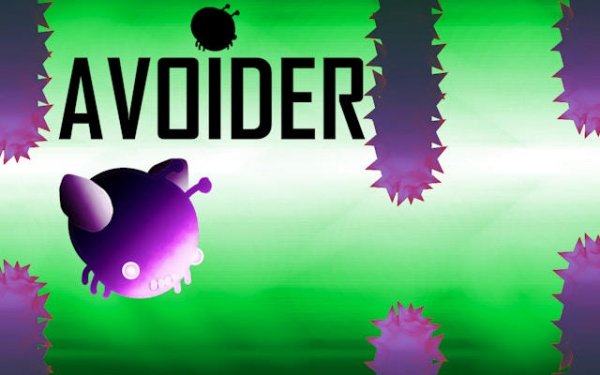
Flutter Flight Challenge
Flutter Flight Challenge is an endless arcade game where you guide a bee through an open sky. The bee flies forward automatically, and you tap or swipe to change direction, dodging obstacles that appear without warning. Runs are short, speeds increase gradually, and each attempt uses a new random layout.
Reviews
About this game
Automatic Flight, Manual Dodging
In Flutter Flight Challenge, the bee moves forward on its own. Your only job is to adjust its path by tapping or swiping. That single control scheme removes menu navigation and power-up management, so the first run starts seconds after launching the game. The real challenge is not steering but reacting: obstacles appear without warning, and a late swipe ends the attempt. Because the input is minimal, the skill ceiling comes entirely from timing and hand-eye coordination rather than learning complex systems.
Random Obstacle Layouts
Every flight generates a fresh obstacle arrangement. Some barriers are thin and demand precise movement; others are wide and force quick lateral shifts. Since no fixed route exists, you cannot memorize a sequence and coast through. Instead, you read what appears ahead and commit to a direction. This randomness is what makes repeated attempts feel different rather than repetitive, and it keeps high-score chases from becoming a memory test.
Rising Speed and Natural Difficulty
The game begins at a relaxed pace, giving new players room to learn the tap-and-swipe controls. As the bee continues, speed climbs steadily. The difficulty curve is gradual rather than sudden, so the pressure mounts in a way that feels earned. Later stages test reflexes and the ability to stay calm when the screen fills with obstacles. Beginners get a fair learning window, while experienced players find the faster sections genuinely demanding.
Visual Clarity and Session Length
The world is bright and cheerful, with soft sky colors and gentle lighting. The bee is small but clearly visible, and obstacles are designed to stand out without being harsh. That visual simplicity serves a practical purpose: it keeps your eyes on the action and makes tracking multiple obstacles easier. Each attempt lasts only a short time, which suits quick breaks. Because the layout changes every run, there is always a reason to try once more, and the lack of a story means you can jump in and out without losing progress.



Comments
0 comments