
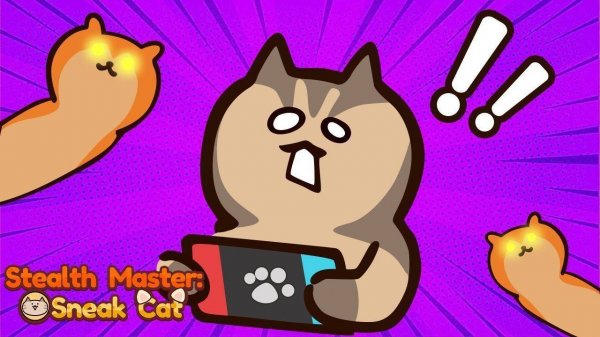
Cat Path: Quiet Puzzle Journey
Cat Path: Quiet Puzzle Journey is a stealth puzzle game about guiding a cat through scenes without being noticed. Players watch guard and camera movement, then choose the right moment to step forward. There is no combat or speed requirement.
PLAY NOW
Reviews
About this game
Reading Patrols and Cameras
Cat Path: Quiet Puzzle Journey asks players to move a cat through each scene without being spotted. The core loop is observation: watch where guards walk, note camera coverage, and identify the moment a gap opens. Timing matters more than reflexes. There is no combat system and no speed requirement, so the challenge comes from reading the environment and choosing when to move. Each puzzle tests patience and attention rather than reaction time.Indoor and Outdoor Scenes
The game moves between indoor and outdoor locations, from cozy rooms to flower-filled gardens. Layouts differ enough that hiding spots change with each setting. Furniture and shadows serve as cover, and players need to judge which objects block sightlines. Bright colors and gentle music keep the mood relaxed rather than tense. The cat character adds warmth to every scene, which supports the calm tone.Simple Controls, Gradual Difficulty
Players control the cat with simple taps or clicks. The interface stays clean and easy to learn, making the game suitable for young players or those new to puzzle games. There are no complex menus or fast actions. As players advance, new obstacles and patrol patterns appear, and each level requires a fresh approach. Difficulty increases gradually. Because there is no penalty for failure, players can experiment freely and learn from each attempt. The reward comes from successfully navigating each area.Editorial Notes
✅ Compatibility & Testing
• Desktop (Windows 11, macOS Ventura)
• Mobile (iPhone 14, Samsung Galaxy S23)
• Tablet (iPad Pro, Android tablet)
✅Supported browsers: Chrome, Safari, Edge, Firefox (latest versions)
❌ Not supported: Internet Explorer, older browser versions
Faq
Does Cat Path: Quiet Puzzle Journey have any combat or enemies that attack the cat?
No. The game has no combat system. Guards and cameras are obstacles to avoid, not enemies that fight the cat. The challenge is purely about observation and timing. Players watch patrol routes and camera angles, then move when it is safe. Being noticed is the failure state, not being attacked.
Is Cat Path: Quiet Puzzle Journey suitable for young children?
The input describes the game as family-friendly and casual, with simple tap or click controls and no complex menus or fast actions. That design makes it accessible to young players. However, the game still requires patience and observation, so very young children may need help reading patrol patterns in later scenes.
What happens if I get caught in Cat Path: Quiet Puzzle Journey?
The input states there is no penalty for failure, so players can experiment freely. Getting spotted does not end the game or cost resources. Instead, each attempt gives information about guard movement and camera coverage. Players can retry the same scene and adjust their timing until they find a safe path.
How do the controls work in Cat Path: Quiet Puzzle Journey?
Players control the cat with simple taps or clicks. The interface is described as clean and easy to learn, with no complex menus or fast actions required. There are no timed button presses or quick reactions. The focus stays on thinking and moving with care, which keeps the control scheme accessible.
Does Cat Path: Quiet Puzzle Journey have a time limit on each puzzle?
No time limit is mentioned in the input. The game explicitly states there is no speed requirement, so players are not pressured to move quickly. This supports the relaxed mood and lets players observe guard and camera patterns for as long as needed before choosing a moment to move.
What kind of locations appear in Cat Path: Quiet Puzzle Journey?
The game presents a variety of indoor and outdoor settings. Examples given include cozy rooms and flower-filled gardens. Each location has its own layout and hiding spots, such as furniture or shadows. The changing environments mean players cannot rely on one fixed approach across every scene.










Comments
0 comments