
Bounce Path Puzzle
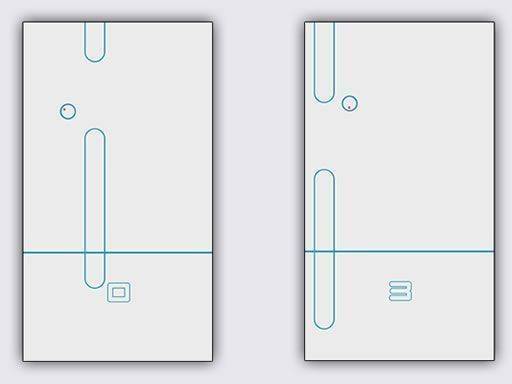
Bounce Path Puzzle is a one-tap arcade game where the ball moves forward on its own and you tap or click to jump over barriers. Each jump is limited, so timing and patience matter as much as speed.
PLAY NOW
Reviews
About this game
One Rule, One Button
Bounce Path Puzzle is built around a single rule: the ball never stops moving forward. Your only input is a tap or click that makes it jump. The catch is that the ball can only leap a limited number of times before it must land, so every jump is a resource you spend. That constraint turns a simple action into a decision: jump now, or wait and hope the next barrier is easier to clear.Barrier Behavior and Timing
Barriers arrive in different shapes and move at different speeds. Some rush toward the ball and demand an instant reaction; others crawl along and test whether you can hold your nerve. Each obstacle behaves independently, so patterns shift from run to run. Reading a barrier's speed and spacing before committing to a jump is the core skill the game asks you to build.How Difficulty Grows
Early sections give you room to practice the jump rhythm. As you continue, barriers appear more often and move faster, shrinking the window for a safe leap. There is no final level, so the challenge keeps rising for as long as you keep playing. The curve is gradual enough that improvement feels earned rather than sudden.Look, Sound, and Session Length
Bright colors and smooth animation keep the screen readable, which matters when a fast barrier is approaching. Sound effects give gentle feedback for jumps and collisions without pulling attention away from the action. A single attempt lasts only a few seconds, making the game easy to fit into a short break, while randomized barrier patterns give each run a different shape.Editorial Notes
✅ Compatibility & Testing
• Desktop (Windows 11, macOS Ventura)
• Mobile (iPhone 14, Samsung Galaxy S23)
• Tablet (iPad Pro, Android tablet)
✅Supported browsers: Chrome, Safari, Edge, Firefox (latest versions)
❌ Not supported: Internet Explorer, older browser versions
Faq
How do I control the ball in Bounce Path Puzzle?
You tap or click once to make the ball jump. There are no other buttons, menus, or gestures to learn. The ball moves forward automatically, so your only job is deciding when to spend a jump. That single-input design is what makes the game easy to start but hard to master.
What happens if I run out of jumps?
The ball can only leap a limited number of times before it must land. If you jump too often or at the wrong moment, you will not have a jump available when a barrier arrives. Managing that limit is the central tension of the game, so waiting is sometimes the smarter choice.
Are the barriers the same every time I play?
No. Barriers appear in different shapes and move at different speeds, and each one behaves independently. Because the patterns are randomized, no two runs unfold the same way. You cannot memorize a fixed sequence; you have to read each obstacle as it appears and adjust your timing.
Does Bounce Path Puzzle have an ending or final level?
There is no end point. The game keeps increasing the frequency and speed of barriers as long as you continue playing. Your progress is measured by how long you last and whether you beat your personal best, not by reaching a final stage. That structure is what gives the game its replay value.
Is Bounce Path Puzzle suitable for young or new players?
The controls are a single tap or click, so anyone can start playing immediately without instructions. Early sections allow easy practice before the pace picks up. The difficulty comes from timing and patience rather than complex rules, which makes the game approachable for a wide range of skill levels.
How long does a typical session last?
Each attempt lasts only a few seconds, which makes the game convenient for short breaks. However, the desire to beat a personal best often leads to longer sessions with repeated tries. Because barrier patterns are randomized, each new attempt feels different enough to justify one more run.


Comments
0 comments