

Park Pals Platform Adventure 2
A cooperative side-scrolling adventure where two animated characters must work as a team. Each stage introduces new environmental puzzles and playful challenges that require coordination and timing. The lighthearted style and focus on teamwork make it a great pick for players of all ages.
Reviews
About this game
Teamwork at the Core
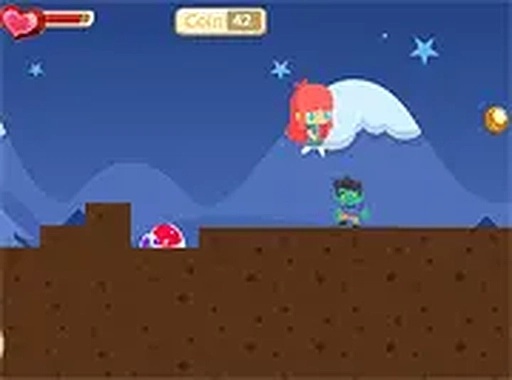
This cooperative platformer places two characters in side-scrolling stages where success depends on coordination. One player controls the first character while a second player handles the other. Each stage requires both characters to reach the exit together, which means players must time their jumps and actions carefully. The game encourages communication and planning rather than individual speed.
Stage Design and Obstacles
Each level presents a fresh set of obstacles that test the pair's ability to work as a unit. Moving platforms, gaps that require precise leaps, and objects that must be carried or activated by one character while the other passes through are common elements. The difficulty increases gradually, introducing new mechanics that keep the experience engaging without becoming frustrating.
Visual Style and Atmosphere
The art direction draws from the animated series, with bright colors, expressive character animations, and whimsical backgrounds. The playful tone is consistent throughout, with humorous character reactions and lighthearted sound effects. This approach makes the game accessible to younger players while still appealing to fans of the show.
Collectibles and Hidden Areas
Some stages contain optional collectibles that reward exploration. These items are often placed in areas that require both characters to reach, adding an extra layer of teamwork. Finding all collectibles in a level may unlock bonus content or provide a sense of accomplishment for thorough players.
Cooperative Play Dynamics
The game is designed specifically for two players, with no single-player mode. Each character has unique abilities that complement the other, so players must rely on each other to progress. For example, one character might be able to reach higher ledges while the other can move heavy objects. This design ensures that both players remain actively involved throughout each stage.





Comments
0 comments