
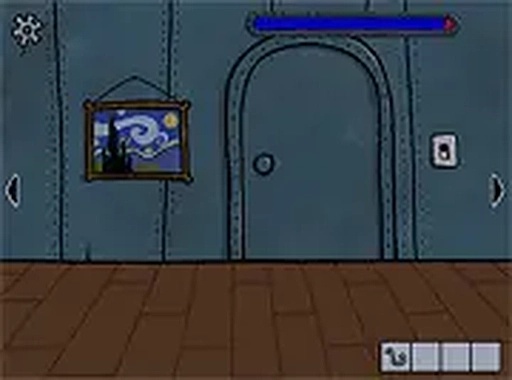
Submarine Puzzle Escape Game
Trapped in a submarine with oxygen running low, you must solve a chain of logic puzzles to escape. Click objects to collect them, store them in your inventory, and use them to unlock doors and passages.
Reviews
About this game
Objective and Core Loop
The goal is straightforward: get out of the submarine before the air supply is exhausted. Oxygen depletion creates constant time pressure, so every decision matters. You explore a confined underwater vessel, clicking on objects to examine them and adding useful items to an inventory. Those items become the tools for solving interconnected puzzles that block your path to the exit. The game rewards observation and logical thinking over reflexes, making it a pure puzzle experience.
How Puzzles and Inventory Work
Every object you encounter can be picked up and stored. The inventory is not just a collection bin; it is a working toolkit. You will need to combine items to create new tools or apply a specific object to a specific location. For example, a tool found in one room might unlock a cabinet in another, revealing a clue needed elsewhere. Clues appear as notes, patterns, or environmental details, and they rarely announce their importance. The puzzles are interconnected, meaning progress in one area often depends on something discovered earlier.
Controls and Presentation
Submarine Puzzle Escape Game is designed for desktop computers and uses mouse controls. Clicking examines objects, collects them, and interacts with doors or passages. A full-screen mode is available, which helps because the submarine interior is detailed and small visual cues can be easy to miss in a windowed view. The game does not require a download and runs in a browser. There are no reflex-based challenges; success depends on patience and careful thinking.
Difficulty and Approach
The puzzles are challenging but fair, according to the game's own description. That means solutions follow logically from the clues provided, even if they require backtracking or combining items in non-obvious ways. Rushing leads to overlooked details. Revisiting previous rooms is often necessary because an item or clue may only become useful after you have seen something else. The oxygen timer adds urgency, but the game is still a slow, methodical puzzle rather than a timed action sequence.








Comments
0 comments