
Grid Pattern Reconstruction
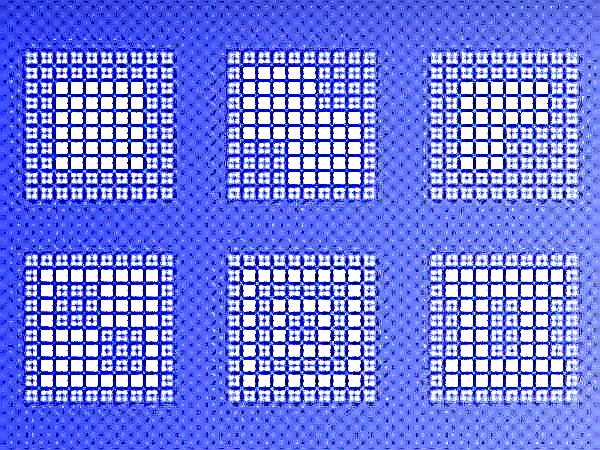
Grid Pattern Reconstruction is a logic puzzle where players match target shapes by adjusting tiles on a grid. The game emphasizes careful planning and pattern recognition, offering a calm yet engaging experience for puzzle enthusiasts.
Reviews
About this game
Core Gameplay Loop
Each puzzle presents a blank grid alongside a target shape composed of active and inactive tiles. Players select individual tiles or groups and apply one of three adjustments: activating a tile, deactivating it, or reversing its current state. The goal is to replicate the target pattern exactly. This straightforward setup hides a surprising depth, as players must consider the order of operations and the ripple effects of each choice.
Progression and Difficulty Curve
Early puzzles use small grids with simple shapes like squares or triangles, allowing newcomers to grasp the mechanics quickly. As players advance, grids expand and target patterns become more intricate, incorporating asymmetric designs and nested shapes. The difficulty increases gradually, ensuring that each new level builds on previously learned strategies without becoming frustrating.
Strategic Depth Through Inversion
The ability to reverse a tile's state adds a layer of strategic thinking. Instead of simply turning tiles on or off, players can use inversion to solve puzzles with fewer moves. This mechanic encourages experimentation, as a single inversion might resolve multiple mismatches at once. Mastering when to invert versus when to toggle individually is key to efficient solutions.
Visual and Interaction Design
The interface is clean and minimal, with a muted color palette that reduces visual clutter. Tiles are clearly distinguished by their state, and the target shape remains visible for reference. Controls respond instantly to mouse clicks or touch inputs, making the game accessible on both desktop and mobile devices. There are no timers or penalties, allowing players to work at their own pace.
Session Flexibility
Puzzles are designed to be completed in short bursts, typically taking a few minutes each. This makes the game suitable for quick breaks or longer focused sessions. The lack of pressure to finish quickly means players can step away mid-puzzle and return later without losing progress. An undo function supports trial and error, reducing the frustration of missteps.
Target Audience and Use Cases
This puzzle appeals to those who enjoy logical challenges and pattern-based thinking. It works well as a casual pastime for adults and a learning tool for children developing spatial reasoning. The absence of violent or time-sensitive elements makes it a safe choice for family environments. Regular play may help improve concentration and systematic problem-solving abilities.


Comments
0 comments